


Views: 0 Author: Site Editor Publish Time: 2026-03-05 Origin: Site


Shipping container houses have become a fascinating trend in modern construction, appealing to individuals seeking affordable, modular, and sustainable housing. They repurpose steel shipping containers into fully functional homes that can be portable, customizable, and energy-efficient. However, before diving into this innovative housing solution, a crucial question arises: Is it legal to live in a shipping container house?
Understanding the legal framework is essential for prospective homeowners, investors, and developers. The legality of container homes depends on local building codes, zoning regulations, safety requirements, and occupancy permits. This article examines these factors in detail, offering guidance for legally compliant shipping container homes while highlighting investment, design, and sustainability considerations.
A shipping container house is a modular structure constructed from steel cargo containers, often repurposed to create residential or commercial spaces. Standard containers are typically 20 or 40 feet in length, offering a strong structural base that can be stacked or combined with other units. Modern container homes can be outfitted with insulation, plumbing, electricity, and energy-efficient systems to match conventional home standards.
Expandable or modular designs allow for increased interior space, outdoor connections, and flexibility in configuration, making container houses suitable for:
Urban micro-housing
Emergency or temporary housing
Eco-friendly residential communities
Vacation homes or remote cabins
While their design and efficiency are compelling, compliance with legal standards is the key to ensuring these homes are safe and habitable.
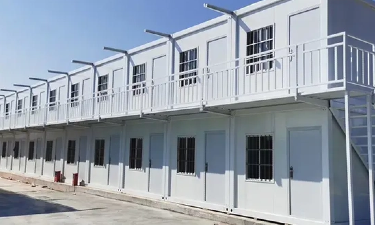
The legal status of shipping container houses varies significantly depending on location, zoning laws, and building codes. Several key areas influence legality:
Zoning laws determine how land can be used. These laws dictate whether a container home can be:
Permanent residence: Must comply with residential zoning.
Temporary or mobile dwelling: May have different requirements.
Accessory dwelling unit (ADU): Permitted in some areas as secondary housing on a property.
Before purchasing or installing a container home, it is essential to verify local zoning codes to ensure the intended use is permitted.
Most jurisdictions have building codes that regulate construction, structural integrity, fire safety, electrical systems, plumbing, and energy efficiency. Container homes must meet these standards to be legally occupied. Key requirements often include:
Adequate insulation and thermal performance
Proper ventilation and lighting
Fire-resistant materials and escape routes
Safe electrical wiring and plumbing installations
Structural safety for stacking or modular expansion
Failure to comply with building codes can result in fines, forced modifications, or the prohibition of occupancy.
Even if zoning and building codes are satisfied, permits are typically required before construction or habitation:
Building permit: Confirms that the design meets safety and code requirements.
Inspection approval: Ensures construction complies with approved plans.
Certificate of occupancy: Legal authorization to inhabit the structure.
Obtaining proper permits is crucial. In many cases, non-compliant container homes are considered illegal structures.
Legality differs across regions:
Region | Container Home Policy | Main Requirements / Restrictions |
United States | Some cities embrace container homes with zoning adaptations | Other cities require extensive building code compliance |
Europe | Many countries allow container homes | Regulations on insulation, energy efficiency, and fire safety |
Asia | Certain regions encourage modular or container-based housing as affordable solutions | Other regions restrict permanent occupancy |
Consulting local authorities before planning construction ensures legal compliance and avoids costly penalties.
Legality is closely linked to design and safety. To be considered habitable, a shipping container home must meet standards similar to traditional housing:
Containers are inherently strong, but modifications such as cut-outs for windows, doors, or expansion mechanisms may compromise strength. Legal compliance requires:
Reinforcement of openings
Engineering approval for stacked or modular configurations
Compliance with local load-bearing and seismic requirements
Most codes require adequate insulation, waterproofing, and climate control to ensure livable conditions. XPS or PIR insulation is commonly used to maintain thermal comfort and energy efficiency, which may also contribute to code compliance for energy standards.
Steel containers conduct heat, so fire safety measures are critical:
Fire-resistant coatings or cladding
Properly designed escape routes
Smoke alarms and fire suppression systems
Meeting these requirements ensures the home is not only legal but safe for occupants.
Proper installation of plumbing, electricity, and HVAC systems is often a requirement for legal occupancy. This ensures safe water supply, waste disposal, heating, cooling, and energy use.
A city redevelopment project used container homes as micro-apartments. Each unit was reinforced, insulated, and connected to municipal water and electricity systems. With building permits and inspections completed, the homes were legally approved for permanent residence, demonstrating that compliance is achievable in urban environments.
Following a natural disaster, authorities deployed container units for temporary housing. Units complied with local building codes and fire safety standards, allowing legal occupancy during emergency relief. This shows that container homes can meet regulatory requirements under urgent conditions when properly certified.
A resort implemented expandable container homes for sustainable tourism. Compliance with energy efficiency and safety codes was a prerequisite for permits. The project combined legal occupancy with environmental benefits, illustrating that modular homes can be both legally approved and sustainable.
Investing in shipping container homes requires weighing legal compliance alongside financial and practical factors:
Permits and inspections add to upfront costs but are necessary for legality.
Engineering and design reinforcement for compliance may increase investment but improves long-term safety and resale value.
Utility connections must be installed according to code, which can vary in cost depending on location.
Legally compliant container homes are easier to rent or sell, providing higher ROI than non-compliant units. Compliance ensures insurance eligibility, reduces legal risk, and enhances market credibility.
Container homes are durable but require regular maintenance of coatings, expansion mechanisms, and utilities. Legal standards often specify acceptable maintenance protocols, ensuring safety and habitability over time.
Legal compliance often aligns with sustainable construction practices, such as energy-efficient insulation, waste reduction, and modular reuse. This enhances both environmental and social value.
“Container homes are illegal everywhere.”
In fact, many jurisdictions allow them with proper permits and adherence to codes.
“No building codes apply to modular structures.”
Shipping container houses must comply with structural, fire, energy, and utility regulations.
“They are temporary shelters only.”
With legal permits, container homes can be used as permanent residences.
“Compliance is optional.”
Occupying an unpermitted container home can result in fines, eviction, or required demolition.
The legality of living in a shipping container house depends on zoning regulations, building codes, permits, and safety compliance. When properly designed, constructed, and certified, container homes are entirely legal and offer advantages such as modularity, rapid deployment, cost efficiency, and sustainability.
For investors, developers, or homeowners seeking high-quality, legally compliant shipping container units, consulting professionals is essential. Shihang Holdings Co., Ltd. provides expertise, design support, and premium container solutions to ensure your modular housing project is both legal and functional, maximizing long-term investment value.
Q: Is it legal to live in a shipping container house permanently?
A: Yes, if the home meets local zoning regulations, building codes, and occupancy permits. Proper design and certification ensure legal residence.
Q: What permits are required for container homes?
A: Typically, a building permit, inspections, and a certificate of occupancy are required for legal habitation.
Q: Can container homes be used as emergency or temporary housing?
A: Yes, with compliance to safety standards, container homes can serve as temporary or emergency residences.
Q: Do container homes require special insulation or modifications to meet legal standards?
A: Often, yes. Insulation, fireproofing, structural reinforcement, and utilities must comply with local building codes for safety and habitability.


