


Views: 0 Author: Site Editor Publish Time: 2026-03-17 Origin: Site


In the ever-evolving construction industry, efficiency, cost-effectiveness, and worker comfort are becoming increasingly critical. Managing large construction sites involves coordinating numerous teams, equipment, and schedules. One crucial aspect that is often underestimated is the quality and suitability of on-site dormitories for construction workers. Traditional temporary housing solutions, such as tents or makeshift cabins, frequently fail to provide adequate comfort, safety, or durability. This is where container houses emerge as a superior alternative, offering a practical, durable, and scalable solution for construction site dormitories.
Construction projects can span months or even years, often in remote or urban areas where local housing may be insufficient. Providing safe, comfortable accommodation for workers is essential not only for meeting labor regulations but also for maintaining productivity and morale. Substandard housing can lead to fatigue, health issues, and higher turnover rates, all of which have direct consequences on project timelines and costs.
Container houses, designed with robust steel frames and modular construction principles, provide a compelling solution. Unlike traditional wooden or prefabricated dormitories, container houses can be quickly deployed, relocated, and customized to fit the specific requirements of the site. They also offer superior structural integrity, making them more resilient to harsh weather conditions, impacts, and frequent relocation.
When selecting container houses for construction site accommodations, several factors should be considered. These features not only ensure comfort and safety but also optimize operational efficiency.
Construction sites are often exposed to extreme environmental conditions, including heavy rain, high winds, snow, and intense sunlight. High-quality container houses are made from corrosion-resistant steel with protective coatings to withstand these elements. Insulated panels, typically made of XPS (extruded polystyrene) or PU (polyurethane), provide thermal efficiency, keeping interiors comfortable in both hot summers and cold winters.
Additionally, a solid steel structure allows container dormitories to resist deformation and withstand frequent transportation. This durability minimizes repair costs and ensures longevity across multiple projects.
One of the most significant advantages of container houses is their modular design. Individual units can be stacked or connected horizontally to create dormitory blocks of varying sizes. This flexibility allows construction managers to tailor accommodations to workforce size, site layout, and specific project requirements.
For example, smaller projects might require only a few 20-foot units, while large-scale developments can benefit from multi-story arrangements. Modular container houses also simplify expansion or downsizing as the workforce fluctuates, providing long-term adaptability without the need for complex construction.
Optimizing interior space is vital to accommodate multiple workers without compromising comfort. The best container houses for dormitories utilize smart layouts, including bunk beds, compact storage, and foldable furniture. Common areas such as shared kitchens, bathrooms, and recreation spaces are integrated efficiently, fostering both convenience and social interaction.
Proper ventilation and natural lighting are also essential. Container houses often incorporate large windows, skylights, and ventilated panels, ensuring fresh air circulation and reducing the feeling of confinement commonly associated with temporary housing.
Worker safety extends beyond the construction site itself and into their living quarters. Container houses can be equipped with fire-resistant materials, secure locking systems, and emergency exits, addressing both regulatory requirements and practical safety concerns.
Advanced security measures, such as digital locks or reinforced doors, help prevent unauthorized access. Additionally, well-designed layouts reduce overcrowding and allow easy evacuation in emergencies, enhancing overall safety.
While durability and functionality are critical, worker satisfaction is equally important. Modern container dormitories can be outfitted with air conditioning, heating systems, high-quality insulation, and soundproofing to create a pleasant living environment. Clean and well-maintained bathrooms, kitchens, and recreational areas improve worker morale and productivity.
Some container house solutions also include recreational and fitness areas, internet access, and communal spaces, promoting social interaction and mental well-being, which is especially important in long-term projects.
Time is a critical factor in construction. Traditional dormitory construction can take weeks or months, delaying project schedules. Container houses, in contrast, are prefabricated offsite and delivered as complete units, ready for immediate installation. This dramatically reduces setup time and allows sites to focus on core construction activities.
Moreover, when projects end or sites change, container houses can be easily disassembled, relocated, or repurposed. This flexibility is not only cost-effective but also environmentally responsible, reducing construction waste and resource consumption.
From both short-term and long-term perspectives, container houses offer significant cost savings. Initial investment may be higher than temporary tents, but reduced labor, quick installation, and minimal maintenance costs make them more economical over time. Their durability ensures fewer repairs and replacements, while modularity allows for scalability according to actual needs, avoiding unnecessary expenditures.
Sustainability is an increasingly critical consideration in modern construction. Container houses align with green building principles by utilizing recycled steel and minimizing site disturbance. Prefabrication reduces on-site waste, and energy-efficient insulation lowers heating and cooling energy consumption. In addition, reusable container units reduce the demand for raw materials, contributing to environmentally responsible construction practices.
Some companies even offer solar-powered container dormitories and water-saving fixtures, further reducing the environmental footprint of construction sites. This approach not only benefits the environment but also demonstrates corporate responsibility, enhancing the company’s reputation among clients and workers.
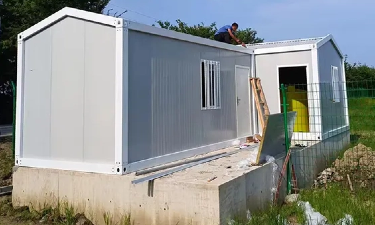
Every construction site has unique challenges, from limited space to specific workforce requirements. The best container houses offer extensive customization options:
Exterior finishes: Painted or coated to blend with site aesthetics or meet corporate branding.
Interior layouts: Adjustable partitions, shared versus private rooms, and dedicated office spaces.
Utilities integration: Pre-installed plumbing, electricity, and HVAC systems for immediate usability.
Accessibility: Ramps and lifts for workers with mobility challenges.
Such flexibility ensures that each site has dormitories tailored to its operational, environmental, and workforce demands.
Consider a mid-sized construction project in a remote location. Traditional temporary shelters would require ongoing maintenance, expose workers to weather extremes, and consume considerable setup time. By deploying container houses, the site manager achieved:
Key Benefit | Description |
Fast Installation | Installation in just 72 hours, allowing immediate accommodation for 50 workers. |
Enhanced Safety | Fire-resistant materials and secure doors reduced risk exposure. |
Improved Worker Satisfaction | Lower turnover and higher productivity were observed. |
Cost Savings | Approximately 20% savings compared to traditional temporary housing over the project duration. |
This example underscores the tangible benefits of container dormitories, making them a clear choice for construction projects of all scales.
Choosing the right provider is crucial to ensure quality, durability, and timely delivery. The ideal company offers:
Proven experience in construction site dormitory solutions.
Customization options to meet specific project requirements.
After-sales support, including maintenance and relocation services.
Compliance with industry standards, including safety, insulation, and environmental regulations.
Shihang Holdings Co., Ltd. is a leading provider specializing in modular container housing solutions. Their extensive experience in designing and delivering construction site dormitories ensures that clients receive high-quality, durable, and comfortable accommodations tailored to each project’s unique needs. From initial consultation to installation and aftercare, they provide a seamless solution that enhances both operational efficiency and worker well-being.
Container houses represent the future of construction site accommodations. Their combination of durability, flexibility, safety, comfort, and cost efficiency makes them the optimal choice for modern construction projects. By selecting a reliable provider such as Shihang Holdings Co., Ltd., construction managers can ensure high-quality, sustainable, and scalable dormitories that meet the needs of workers while enhancing overall project performance.
Whether your project is small or large-scale, investing in the best container house solutions directly contributes to workforce satisfaction, safety, and productivity, ultimately supporting the timely and successful completion of your construction objectives.
Q: What makes container houses suitable for construction site dormitories?
A: Container houses offer durability, modular design, rapid deployment, and comfort, making them ideal for accommodating workers safely and efficiently.
Q: How long does it take to install container dormitories?
A: Prefabricated container houses can be installed and ready for occupancy in just a few days, depending on the number of units and site conditions.
Q: Can container houses withstand extreme weather conditions?
A: Yes, high-quality container houses are made with corrosion-resistant steel and insulated panels, providing protection against rain, wind, heat, and cold.
Q: Are container houses environmentally friendly?
A: Container houses use recycled materials, reduce on-site construction waste, and can include energy-efficient systems, supporting sustainable construction practices.


