


Views: 0 Author: Site Editor Publish Time: 2026-01-23 Origin: Site


Are you considering a container house by the coast? While they offer unique benefits, damp and rust can pose serious challenges. In coastal environments, moisture and salt exposure can quickly damage your home.
In this post, you'll learn six effective ways to stop damp and rust on your container house. We'll also highlight how Shihang Holdings Co., Ltd. can help you build a durable and reliable coastal container home.
Coastal environments present distinct challenges for container houses. High humidity levels are a major concern. The combination of salt exposure and moisture can lead to rapid deterioration of building materials. Additionally, weather conditions such as heavy rain, strong winds, and fluctuating temperatures further complicate the situation. These factors can create an environment that accelerates wear and tear on your home.
For instance, consider the average coastal climate:
Condition | Impact on Container Houses |
High Humidity | Promotes condensation and mold growth |
Salt Exposure | Increases corrosion risk for metal structures |
Temperature Changes | Causes expansion and contraction of materials |
Container houses, while innovative, have vulnerabilities. One significant issue is condensation. When warm, moist air meets cooler metal walls, it causes water droplets to form. This trapped moisture can lead to mold and structural damage over time.
Moreover, the corrosive effects of salt-laden air are particularly harmful. Salt can infiltrate any exposed metal, leading to rust and weakening the structure. This is why using high-quality materials is essential. Shihang Holdings emphasizes the importance of durable construction techniques. Their container houses are designed to withstand these harsh conditions, ensuring longevity and safety.
In summary, understanding these challenges is crucial. By recognizing the unique aspects of coastal environments and the vulnerabilities of container houses, homeowners can take proactive steps to protect their investments. Addressing these issues early on will help maintain the integrity of your container house for years to come.
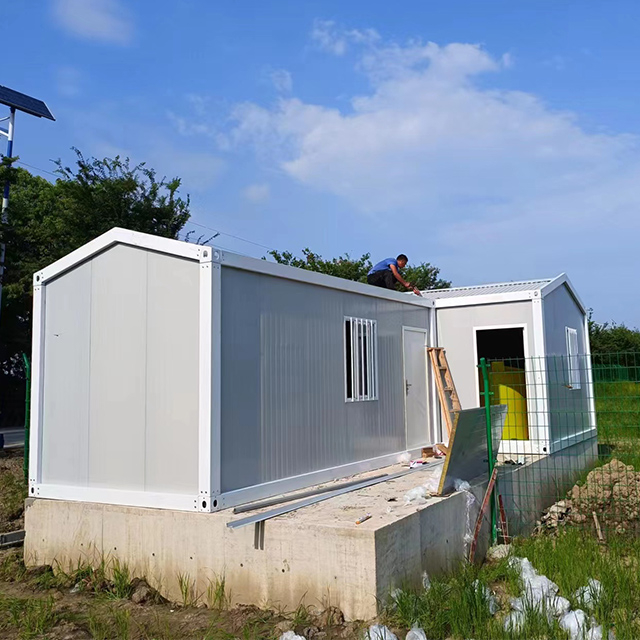
Elevating a container house is a crucial first step in protecting it from dampness and rust. This process involves using concrete piers or blocks to lift the home above ground level. By elevating the structure, you create a space underneath that allows for airflow, which is essential in keeping the base dry. This airflow helps prevent moisture accumulation, which can lead to mold growth and structural damage over time.
● Improved Airflow: Enhances ventilation beneath the container.
● Reduced Moisture Risk: Keeps the base dry and minimizes dampness.
● Enhanced Longevity: Protects the container from ground moisture.
Shihang Holdings recommends integrating elevation into the design phase of your container house. This proactive approach not only enhances drainage but also reduces the risk of water pooling around the foundation. By ensuring that your container home is elevated, you can significantly improve its resilience against the challenges posed by coastal environments.
Marine-grade coatings are vital for protecting your container house from the corrosive effects of salt and moisture. These specialized coatings, including epoxy primers and polyurethane topcoats, are designed to withstand harsh coastal conditions. They form a robust barrier that effectively blocks saltwater and humidity from penetrating the metal surfaces of the container.
● Corrosion Resistance: Protects against rust and deterioration.
● Durability: Designed to withstand extreme weather conditions.
● Easy Maintenance: Simple to clean and maintain, extending the lifespan.
At Shihang, the manufacturing process emphasizes the application of high-quality coatings. This step is crucial in enhancing the durability of the container house. Regular maintenance of these coatings is also essential; homeowners should inspect for any wear and reapply as necessary to maintain optimal protection.
Closed-cell spray foam is an excellent insulation option for container houses, especially in coastal areas. This type of foam adheres directly to the metal, creating a seamless air and moisture barrier. Its properties help prevent dampness by stopping warm, humid air from condensing against cold steel walls, which is a common issue in container homes.
● Energy Efficiency: Reduces heating and cooling costs.
● Moisture Barrier: Prevents condensation and mold growth.
● Structural Integrity: Adds rigidity to the container structure.
In addition to preventing moisture issues, closed-cell spray foam also provides excellent thermal insulation. This means that your container house will be more energy-efficient, keeping it cooler in the summer and warmer in the winter. Shihang offers customization options for their container houses, allowing you to incorporate this insulation type, which enhances overall comfort and energy efficiency.
Ventilation plays a critical role in managing humidity levels inside container houses. Proper airflow helps reduce trapped moisture, which can lead to mold and rust. Effective ventilation systems include heat recovery ventilators (HRVs) and exhaust fans, which actively exchange stale air for fresh air. These systems help maintain a healthy indoor environment by reducing humidity levels and improving air quality.
● Humidity Control: Reduces the risk of mold and mildew.
● Improved Air Quality: Ensures a fresh and comfortable living space.
● Energy Savings: Efficient systems can lower energy costs.
Shihang provides intelligent temperature and humidity control systems designed to optimize indoor air quality. By installing these systems, homeowners can ensure that their container houses remain comfortable and free from excess moisture, ultimately extending the life of the structure.
Roofs in coastal areas face unique challenges, such as heavy rainfall and wind-driven salt spray. Common issues include water pooling, which can lead to rust formation and structural damage over time. To combat these problems, a sloped roof or waterproof membrane can significantly mitigate risks by ensuring efficient drainage.
● Sloped Roof Design: Facilitates water runoff and prevents pooling.
● Waterproof Membranes: Protects against leaks and corrosion.
● Regular Inspections: Identifies potential issues before they escalate.
Shihang's design philosophy emphasizes creating roofs that facilitate drainage and prevent water accumulation. Additionally, incorporating durable roofing materials that resist corrosion is essential. Regular inspections of the roof should be conducted to identify any potential issues early, allowing for timely repairs and maintenance.
Proactive maintenance is essential for preserving your container house in a coastal environment. This includes regular cleaning and inspections to identify potential issues early. Homeowners should focus on managing rust spots by treating and repainting affected areas promptly.
● Regular Cleaning: Remove dirt and debris from surfaces.
● Inspection Schedule: Check seals, joints, and coatings regularly.
● Rust Treatment: Address rust spots immediately to prevent spread.
Establishing a maintenance schedule can help ensure that all aspects of the container house are regularly checked. Shihang's after-sales support team is available to guide you through effective maintenance practices. Their expertise ensures that your container house remains in excellent condition for years to come.
Solution | Description | Benefits |
Elevate the Structure | Use concrete piers to allow airflow and prevent dampness. | Improved airflow, reduced moisture risk, enhanced longevity. |
Apply Marine-Grade Coatings | Epoxy primers and topcoats protect against salt and moisture. | Corrosion resistance, durability, easy maintenance. |
Use Closed-Cell Spray Foam | Creates a seamless barrier to prevent dampness and improves energy efficiency. | Energy savings, moisture barrier, structural integrity. |
Install Strategic Ventilation | HRVs and exhaust fans manage humidity effectively and enhance air quality. | Humidity control, improved air quality, energy savings. |
Implement Advanced Roof Protection | Sloped roofs prevent water pooling and rust, ensuring longevity. | Efficient drainage, waterproofing, regular inspections. |
Perform Proactive Maintenance | Regular cleaning and inspections extend lifespan and maintain integrity. | Preserves value, prevents issues, ensures comfort. |
By implementing these effective solutions, you can significantly enhance the durability and comfort of your coastal container house. Each step plays a vital role in creating a safe, enjoyable living environment, allowing you to fully appreciate the unique benefits of container living by the coast. With Shihang Holdings' expertise and quality products, your container house can thrive in even the most challenging coastal conditions.
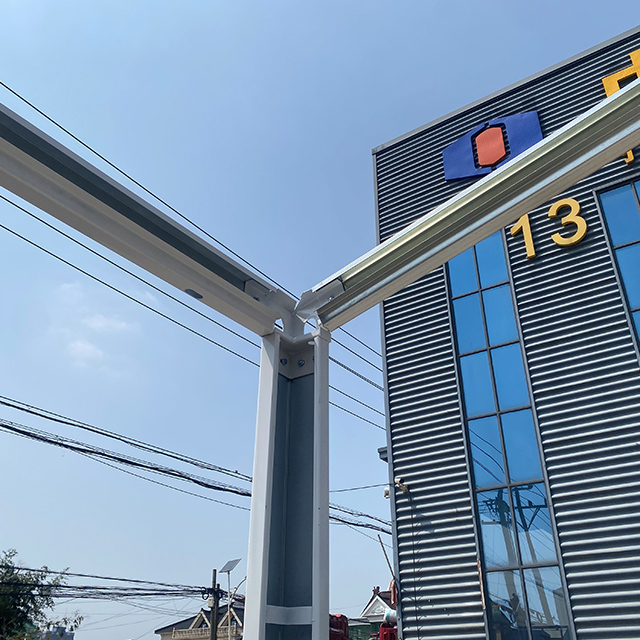
Selecting the right materials is crucial for the longevity of your container house, especially in coastal areas. Corrosion-resistant materials are essential to withstand the harsh environment. For example, stainless steel and galvanized metal can significantly reduce the risk of rust. Shihang Holdings emphasizes the importance of using high-quality materials that can endure moisture and salt exposure.
● Longevity: Reduces the frequency of repairs and replacements.
● Cost-Effective: Saves money in the long run by minimizing maintenance needs.
● Aesthetic Appeal: Maintains a clean and attractive appearance over time.
Using the right materials not only enhances the durability of your container house but also contributes to its overall aesthetic. Choosing materials designed for coastal environments is a smart investment.
Establishing a regular maintenance schedule is key to keeping your container house in top shape. Setting specific intervals for inspections can help catch potential issues before they escalate. This includes checking for signs of rust, moisture accumulation, and structural integrity.
Frequency | Focus Areas |
Monthly | Check for visible rust and moisture spots. |
Quarterly | Inspect seals, joints, and ventilation systems. |
Biannually | Evaluate the roof and foundation for damage. |
Annually | Conduct a thorough inspection of the entire house. |
By adhering to this schedule, homeowners can ensure their container houses remain safe and comfortable. Regular checks can prevent small issues from turning into costly repairs.
Managing moisture levels inside your container house is essential, especially in humid coastal areas. Utilizing desiccants, such as silica gel, can help absorb excess moisture. These small packets can be placed in various areas of the home to maintain a dry environment.
● Cost-Effective: Affordable and easy to use.
● No Electricity Required: Ideal for off-grid living situations.
● Prevents Mold Growth: Reduces humidity, lowering the risk of mold.
In addition to desiccants, using dehumidifiers can effectively manage indoor humidity levels. These devices pull moisture from the air, helping to keep your living space comfortable and dry.
Shihang Holdings also recommends integrating these moisture management tools into your container house design. This proactive approach can enhance the comfort of your home while protecting it from the damaging effects of dampness.
Moisture Management Tool | Description |
Desiccants | Absorb moisture without electricity. |
Dehumidifiers | Actively remove moisture from the air. |
By following these additional tips, you can significantly enhance the maintenance and longevity of your coastal container house. Making informed choices about materials and implementing a regular inspection routine will ensure your home remains safe, comfortable, and beautiful for years to come.
Preventing damp and rust is crucial for coastal container houses. These issues can lead to significant damage over time.
Implementing the discussed solutions will enhance your home's longevity and comfort.
Consider seeking professional advice from Shihang Holdings when building or maintaining your coastal container house. Their expertise can help ensure your investment lasts.
A: A container house is a home constructed from shipping containers, offering a sustainable and innovative living solution.
A: Signs include visible mold, musty odors, and condensation on walls or windows.
A: Yes, but it's essential to use corrosion-resistant materials and implement proper moisture management techniques.
A: Regular maintenance enhances durability, prevents costly repairs, and ensures a comfortable living environment.
A: To prevent rust, apply marine-grade coatings, elevate the structure, and conduct regular inspections to address any issues promptly.


