


Have you ever wondered how modern architecture adapts to changing needs? Folding houses are revolutionizing the way we think about living spaces. These innovative structures, often referred to as container houses, offer flexibility and efficiency for various applications.
In this article, we'll explore what a folding house is, its benefits, and how Shihang Holdings Co., Ltd. is leading the way in this exciting market.
A folding house is a unique and innovative type of modular structure designed for flexibility and efficiency. Unlike traditional buildings, which are often fixed and permanent, folding houses are designed to be portable and adaptable, making them ideal for various applications.
At its core, a folding house is a prefabricated building that can be collapsed into a compact form for easy transport. This design allows for quick assembly and disassembly, making it a practical solution for temporary housing, emergency shelters, or even commercial spaces. The concept of a folding house aligns perfectly with modern needs for mobility and efficiency, especially in today's fast-paced world.
One of the standout features of folding houses is their modular design. They consist of interlocking sections that can be easily assembled or disassembled. This modularity allows users to customize the layout based on their specific requirements. For instance, multiple units can be combined to create larger living spaces or offices.
● Quick Setup: Folding houses can be deployed in a fraction of the time it takes to construct traditional buildings.
● Transport Efficiency: When folded, these structures occupy significantly less space, making transportation more cost-effective.
Feature | Folding House | Traditional Building |
Assembly Time | Hours to days | Weeks to months |
Portability | Highly portable | Fixed location |
Customization | Modular options | Limited flexibility |
Environmental Impact | Low waste, recyclable | Higher waste, less recyclable |
Folding houses offer several key features that set them apart from conventional buildings.
1. Space Efficiency: When folded, the house can reduce its volume to one-fourth of its original size. This feature greatly enhances transportability and storage.
2. Durable Materials: Typically constructed from high-strength galvanized steel, these houses are built to withstand harsh environmental conditions, ensuring longevity and safety.
3. Sustainability: Many folding houses incorporate eco-friendly designs, such as energy-efficient insulation and solar power options. This aligns with the growing trend toward sustainable living.
4. Versatility: They can serve various purposes, from temporary offices to emergency housing, making them a practical choice for diverse situations.
Shihang Holdings Co., Ltd. exemplifies the innovation in this field, offering a range of folding container houses that combine functionality and modern design. Their commitment to quality and sustainability ensures that these structures not only meet immediate needs but also contribute positively to the environment.
In summary, folding houses represent a significant advancement in architectural design, providing flexible, efficient, and sustainable solutions for various living and working spaces.
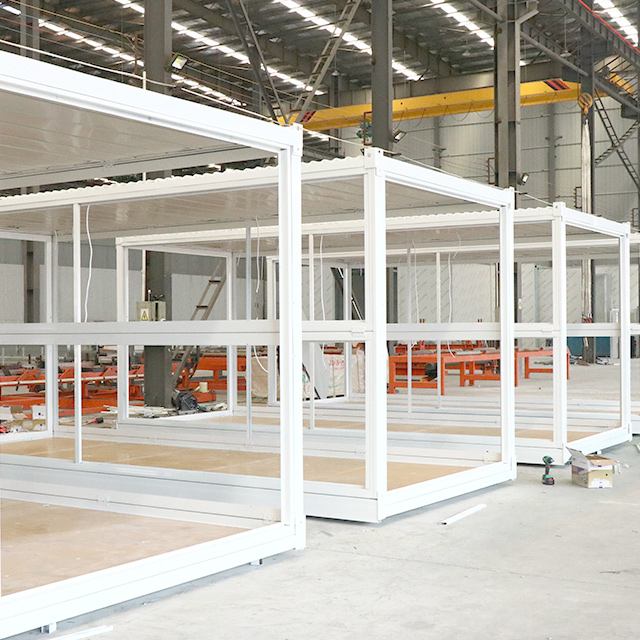
Folding houses are designed with a focus on both functionality and durability. Their innovative structure allows for easy transport and quick setup, making them ideal for various applications. Let's dive into the design, materials, and how these houses work.
The design of a folding house incorporates a foldable structure, which is key to its portability. Typically constructed from high-strength galvanized steel, these houses are engineered to withstand harsh environmental conditions. This material choice offers several advantages:
● Durability: Galvanized steel resists corrosion and rust, ensuring a long lifespan even in challenging climates.
● Lightweight: The use of lightweight materials makes it easier to transport and assemble the house, reducing logistics costs.
● Structural Integrity: The design maintains stability while allowing for flexibility, accommodating various configurations and uses.
Material | Benefit |
High-Strength Galvanized Steel | Corrosion resistance and durability |
Lightweight Components | Easier transport and assembly |
Insulation Materials | Energy efficiency and comfort |
Understanding how a folding house operates is essential to appreciating its innovation. The folding mechanism is designed for efficiency and ease of use. Here's how it works:
1. Folding Mechanism: The house utilizes hinges, slide rails, and detachable connectors. These components allow for smooth transitions between the folded and unfolded states.
2. Folding Process:
a. Step 1: Detach any connectors securing the walls or roof.
b. Step 2: Fold the walls inward using the hinges, creating a compact shape.
c. Step 3: Collapse the roof panels, which also fold down flat.
d. Step 4: Secure the folded structure for transport.
3. Unfolding Process:
a. Step 1: Remove the transport locks to release the structure.
b. Step 2: Lift the roof panels, allowing them to lock into place.
c. Step 3: Extend the walls outward until they click into position.
d. Step 4: Connect any utilities and prepare the house for use.
Shihang Holdings Co., Ltd. exemplifies this innovative design, ensuring that their folding container houses are not only practical but also user-friendly. Their attention to detail in the folding mechanism allows for a seamless transition from transport to full functionality, making these structures a reliable choice for temporary or permanent housing solutions.
The combination of durable materials and an efficient folding mechanism makes the folding house a standout option in modern architecture. Its ability to adapt to various needs while maintaining structural integrity is a testament to innovative design in the container house market.
Folding houses offer a range of advantages that make them an appealing choice in modern architecture. Their unique design not only enhances mobility but also provides cost savings and environmental benefits. Let's explore these advantages in detail.
One of the most notable features of folding houses is their portability. These structures can be easily transported to various locations, making them ideal for temporary setups. Shihang Holdings emphasizes efficient logistics, ensuring that their folding container houses can be deployed rapidly.
● Rapid Deployment: It takes only a few hours to set up a folding house, compared to weeks for traditional buildings.
● Easy Transport: When folded, these houses can fit into standard shipping containers, reducing transportation costs significantly.
Folding houses provide substantial cost savings compared to traditional construction methods. Shihang's products can reduce costs by 20% to 40%, making them a smart investment for various applications.
Cost Aspect | Folding House | Traditional Building |
Initial Construction Cost | Lower | Higher |
Maintenance Costs | Minimal | Ongoing |
Setup Time | Quick (hours) | Lengthy (weeks or months) |
In addition to lower initial costs, the long-term economic benefits are significant. The use of durable materials means less frequent repairs and maintenance, which translates to ongoing savings for homeowners and businesses alike.
Folding houses are designed with sustainability in mind. They boast over 90% recyclability, making them an eco-friendly option. Shihang Holdings is committed to reducing carbon footprints through innovative container solutions, aligning with global green development concepts.
● Energy Efficiency: Many folding houses come equipped with energy-saving features, such as solar panels and high-quality insulation.
● Reduced Waste: The manufacturing process minimizes waste, contributing to a more sustainable construction industry.
Folding houses are incredibly versatile, serving various purposes across different scenarios. They are perfect for:
● Temporary Housing: Ideal for workers on construction sites or during events.
● Emergency Shelters: Quickly deployed in disaster-stricken areas to provide immediate relief.
● Commercial Spaces: Used as pop-up shops, cafes, or offices.
Shihang's folding container houses have been successfully implemented in diverse applications, showcasing their adaptability. For example, during recent natural disasters, these structures provided essential housing solutions, demonstrating their effectiveness and reliability.
The combination of portability, cost savings, environmental sustainability, and versatility makes folding houses a robust solution for modern living and working needs. They reflect a shift toward innovative, practical housing options that meet the demands of today's dynamic world.
Container houses have emerged as a significant trend in contemporary architecture, offering flexible and innovative living solutions. Their unique characteristics make them suitable for various applications, from residential homes to commercial spaces. Let's explore the definition of container houses and the latest innovations in their design.
A container house is a structure built using repurposed shipping containers. These houses are known for their durability, affordability, and sustainability. They can be customized to meet diverse needs, making them a popular choice for modern living.
● Characteristics:
○ Durability: Made from high-quality steel, container houses withstand harsh weather conditions.
○ Sustainability: Using recycled materials helps reduce environmental impact.
○ Modularity: They can be easily combined or modified to create larger spaces.
When comparing folding houses to traditional container houses, Shihang Holdings stands out with its innovative designs. While traditional container houses are often static and fixed, folding houses offer portability and quick deployment. This flexibility allows users to adapt their living spaces to changing needs, making them ideal for both temporary and permanent solutions.
Feature | Folding House | Traditional Container House |
Portability | Highly portable | Fixed location |
Setup Time | Hours | Days to weeks |
Customization Options | Modular and flexible | Limited to container size |
Cost Efficiency | Lower initial costs | Varies based on modification |
Recent trends in container house technology have led to exciting innovations, transforming how we think about modular living. Shihang has been at the forefront of these advancements, focusing on intelligent upgrades and modern design features.
1. Modular Design: Shihang's container houses can be easily expanded or reconfigured. This modularity allows homeowners to adapt their spaces as their needs evolve.
2. Smart Technology Integration: Many modern container houses now include smart home features. These can range from automated lighting systems to energy-efficient heating and cooling solutions.
3. Solar Power Integration: Shihang is leading the way in incorporating solar panels into their designs. This not only reduces energy costs but also promotes sustainability by harnessing renewable energy.
4. Eco-Friendly Materials: Innovations also include the use of sustainable materials that enhance energy efficiency. This aligns with the growing demand for green building practices.
These advancements make container houses not just a trend but a viable solution for sustainable living. By combining innovative design with practical functionality, Shihang's container houses are setting new standards in modern architecture. They represent a shift toward more adaptable and environmentally friendly housing options, catering to a wide range of lifestyles and preferences.

Folding houses have gained popularity in various sectors due to their versatility and practicality. These innovative structures can be adapted for multiple uses, making them a valuable asset in modern living and working environments. Let's explore some common applications and real-life examples of folding houses.
Folding houses are utilized in a variety of settings, showcasing their adaptability:
● Temporary Offices and Construction Site Dormitories: Many companies opt for folding houses as temporary offices on construction sites. They provide a comfortable space for workers, allowing for efficient project management. Their quick setup means that teams can get to work almost immediately.
● Emergency Response and Disaster Relief: In times of crisis, speed is crucial. Shihang has played a significant role in providing quick shelter solutions during natural disasters. Folding houses can be deployed rapidly to affected areas, offering immediate housing for displaced individuals. These structures are designed to withstand various weather conditions, ensuring safety and comfort.
● Commercial Uses: Folding houses are also being used as pop-up shops and cafes. Their unique design attracts customers, while their portability allows businesses to set up in high-traffic areas for limited periods. This flexibility can help entrepreneurs test new markets without the commitment of a permanent location.
Application | Description |
Temporary Offices | Quick and efficient workspace for construction teams |
Emergency Shelters | Rapid deployment for disaster relief |
Pop-Up Commercial Spaces | Flexible retail options in various locations |
Real-life implementations of folding houses illustrate their effectiveness and versatility. Shihang has contributed significantly to several projects, particularly in rural renewal initiatives.
1. Rural Renewal Projects: In various rural areas, Shihang's folding container houses have been integrated into community development projects. These houses provide affordable housing solutions, helping to revitalize communities and support local economies.
2. User Testimonials: Feedback from users highlights the benefits of Shihang's folding container houses. Many appreciate the quick setup and adaptability, allowing them to meet their specific needs. Users often mention how these structures have improved their living conditions, especially in remote areas where traditional construction is challenging.
"The folding house was set up in just a few hours, and it has become a cozy home for my family during our transition." - A satisfied customer from a rural area.
"We used Shihang's folding houses for our pop-up cafe, and the response was fantastic! Customers loved the unique design." - A local entrepreneur.
Through these applications and case studies, it's clear that folding houses are more than just temporary solutions; they are transforming how we think about housing and commercial spaces in today's dynamic environment. Their ability to adapt to various needs makes them an essential part of modern living.
Folding houses and container homes offer innovative solutions to modern housing challenges. Their portability, cost-effectiveness, and environmental benefits make them ideal for various applications. Shihang's unique designs enhance flexibility and efficiency, catering to diverse needs.
Consider Shihang's folding houses for your space requirements. They provide practical and sustainable options for living and working in today's world.
A: Folding houses typically range from 20 to 40 feet in length, offering various configurations to suit different needs.
A: It usually takes just a few hours to set up a folding house, making them ideal for quick deployments.
A: Yes, folding houses are designed to withstand various weather conditions, ensuring durability in different climates.
A: The cost of a folding house can vary, generally ranging from $10,000 to $50,000, depending on size and features.
A: Maintenance involves regular inspections, cleaning, and addressing any wear on seals or insulation to ensure longevity.


