


Views: 0 Author: Site Editor Publish Time: 2026-01-20 Origin: Site


Have you ever considered living in a container house? These innovative structures are gaining popularity for their versatility and sustainability. Understanding the differences between flat-pack, expandable, and detachable container houses is crucial for making the right choice.
In this post, we'll explore these three types of container houses and highlight Shihang, a leader in this industry. You'll learn how each option can meet your specific needs.
A container house is a structure built using shipping containers. These containers are designed for transporting goods, but they can be transformed into functional living spaces. The versatility of container houses allows for various designs, from simple homes to complex multi-story buildings. Their modular nature makes them an attractive option for both residential and commercial purposes.
Container houses have a fascinating history. Initially, shipping containers were only used for cargo transport. However, as the demand for affordable housing grew, innovative architects began to explore their potential as living spaces.
In the early 2000s, container architecture gained traction, especially in urban areas. Today, companies like Shihang are leading the way in container house production, offering modern designs that prioritize sustainability and efficiency.
Container houses come with numerous advantages:
● Sustainability: Using recycled shipping containers reduces waste and promotes eco-friendly living. This approach supports the circular economy by repurposing materials.
● Cost-Effectiveness: Building with containers can be more affordable than traditional construction methods. The reduced material costs and shorter construction times make it an appealing choice for many.
● Mobility: One of the standout features of container houses is their portability. They can be easily transported to different locations, making them ideal for temporary housing or mobile offices.
Here's a quick comparison of the benefits of container houses:
Benefit | Description |
Sustainability | Reduces waste by repurposing containers. |
Cost-Effectiveness | Lower building costs and faster construction times. |
Mobility | Easily transportable, ideal for various locations. |
Container houses are not just a trend; they represent a shift towards more sustainable and flexible living solutions. With their rich history and numerous benefits, it's clear why many are considering them as a viable housing option.
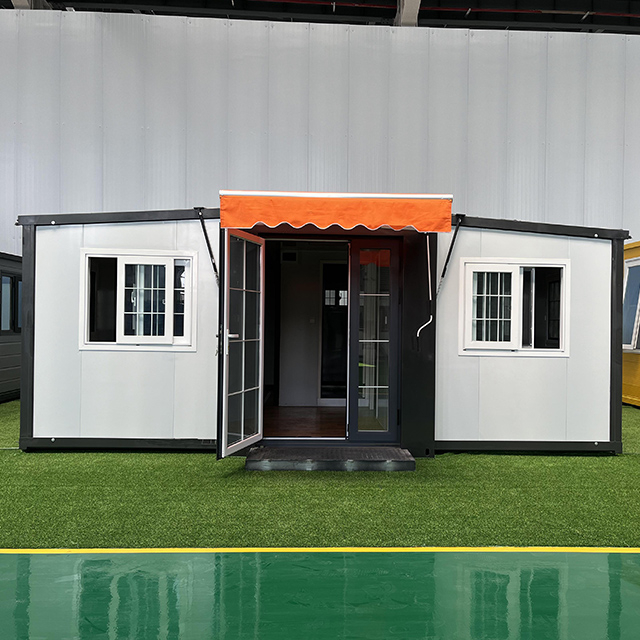
When it comes to container houses, three main types stand out: flat-pack, expandable, and detachable. Each type offers unique features and benefits that cater to different needs. Flat-pack container houses are designed for easy assembly, arriving as pre-fabricated kits. Expandable container houses provide flexibility, allowing users to increase their living space with a simple unfolding mechanism. Detachable container houses, on the other hand, consist of modular components that can be assembled and disassembled easily.
Here's a quick overview of each type:
Type | Description | Key Feature |
Flat-Pack | Arrives as a kit for assembly on-site. | Quick assembly and transport. |
Expandable | Features a foldable design for increased space. | Space can double or triple. |
Detachable | Composed of modular parts for easy reconfiguration. | Highly portable and customizable. |
Choosing the right type of container house is crucial for meeting specific needs. Each option serves different purposes, whether it's for temporary housing, permanent residences, or commercial spaces. For instance, flat-pack houses are ideal for those who want quick and straightforward installation. They are perfect for projects that require speed and efficiency.
Expandable container houses are excellent for situations where space requirements may change. They allow for rapid expansion, making them suitable for businesses or families anticipating growth. Detachable houses offer unparalleled flexibility, especially for those who need to relocate frequently or want a customizable layout.
Understanding these distinctions helps in making informed decisions. Here's a quick comparison of when to choose each type:
Scenario | Best Type |
Quick setup for temporary housing | Flat-Pack |
Need for flexible living space | Expandable |
Frequent relocation and customization | Detachable |
By recognizing the strengths of each type, you can select the container house that best fits your lifestyle and requirements. This choice can significantly impact your overall satisfaction and functionality of the space.
Flat-pack container houses are innovative structures that arrive as pre-fabricated kits. They are designed for quick and efficient assembly on-site. Typically, these houses are made from high-quality materials such as rock wool boards and foam boards. Rock wool provides excellent insulation and fire resistance, making it a safe choice for various climates. Foam boards, on the other hand, are lightweight and offer good thermal insulation, contributing to energy efficiency.
One of the standout features of flat-pack container houses is their efficient shipping process. These houses are compactly designed to maximize shipping capacity. Typically, you can fit 6 to 8 flat-pack units into a standard 40-foot shipping container. This high transport efficiency significantly reduces shipping costs and environmental impact.
Type | Shipping Capacity (per 40ft container) |
Flat-Pack | 6–8 units |
Expandable | 2 units |
Detachable | Up to 17 units |
The assembly process for flat-pack container houses is straightforward. Here's a step-by-step breakdown:
1. Unpack the Kit: Lay out all components and check for completeness.
2. Foundation Preparation: Ensure the site is leveled and ready for installation.
3. Assemble the Walls: Start by connecting the wall panels using bolts and screws.
4. Install the Roof: Secure the roof panels to complete the structure.
5. Finishing Touches: Add insulation, windows, and doors as needed.
Typically, the assembly takes about 1 to 2 hours, requiring around four workers to ensure everything is done efficiently. This quick setup makes flat-pack houses ideal for urgent housing needs.
Flat-pack container houses come with several benefits. They are highly durable, able to withstand harsh weather conditions. The materials used provide excellent insulation, ensuring comfort in any season. Moreover, their quick assembly process saves both time and labor costs.
However, there are also some potential drawbacks. The complexity of assembly can be challenging for those without construction experience. Additionally, heavy equipment may be necessary for lifting and positioning the panels during installation.
Here's a summary of the key advantages and disadvantages:
Advantages | Disadvantages |
Durable and weather-resistant | Assembly can be complex |
Quick installation | Requires heavy equipment |
Excellent insulation properties | May need professional help for assembly |
Flat-pack container houses offer a practical solution for modern living, balancing efficiency and quality. They are perfect for those seeking a quick, durable, and sustainable housing option.
Expandable container houses are designed for flexibility and efficiency. They feature a unique foldable double-wing design, allowing them to expand quickly when needed. This innovative structure transforms a compact unit into a spacious living area in just minutes. The materials used in these houses often include composite insulation, which offers excellent fireproofing and sound insulation. This ensures a comfortable and safe environment for occupants, regardless of the external conditions.
Shipping expandable container houses is a streamlined process. These units are designed to be compact when not in use, making them easy to transport. Typically, you can fit approximately 2 expandable units into a standard 40-foot shipping container. This efficiency reduces transportation costs and minimizes the environmental footprint associated with shipping.
Type | Shipping Capacity (per 40ft container) |
Expandable | 2 units |
Flat-Pack | 6–8 units |
Detachable | Up to 17 units |
The assembly process for expandable container houses is impressively quick. In just about 10 minutes, a team of four people can fully expand and set up the house. The design allows for easy unfolding and securing of the wings, making it accessible for those without extensive construction experience. Here's a simple breakdown of the assembly steps:
1. Unpack the Unit: Remove the unit from its shipping container.
2. Position the Container: Place it on a level surface.
3. Expand the Wings: Unfold the double-wing sections to create additional space.
4. Secure the Structure: Fasten any necessary bolts or locks to stabilize the unit.
This rapid setup makes expandable container houses ideal for situations where time is of the essence, such as emergency housing or temporary offices.
Expandable container houses come with several key benefits. Their rapid deployment is one of the most significant advantages, enabling quick responses to housing needs. Additionally, many models include built-in amenities, such as plumbing and electrical systems, which enhance comfort and usability.
However, there are some potential drawbacks to consider. The layout is generally fixed, which may limit customization options for residents. Furthermore, the hinges and seals used in the expansion mechanism require regular maintenance to ensure optimal performance over time.
Advantages | Disadvantages |
Rapid deployment | Fixed layout |
Built-in amenities | Maintenance of hinges and seals |
Space-efficient design | Limited customization options |
Expandable container houses offer a versatile solution for modern living, combining convenience, efficiency, and comfort. Their unique features make them a popular choice for various applications, from temporary housing to mobile offices.
Detachable container houses are a versatile housing solution characterized by their modular design. These units can be assembled and disassembled easily, allowing for flexibility in layout and configuration. Made primarily from galvanized steel, these houses offer exceptional structural integrity and durability, ensuring they can withstand various environmental conditions. The modular approach allows multiple units to be connected, creating larger living spaces or commercial setups.
Shipping detachable container houses is a highly efficient process. Their modular design allows for compact packing, enabling up to 17 units to fit into a standard 40-foot shipping container. This capacity makes them one of the most efficient types of container houses when it comes to transportation, significantly reducing shipping costs and environmental impact.
Type | Shipping Capacity (per 40ft container) |
Detachable | Up to 17 units |
Expandable | 2 units |
Flat-Pack | 6–8 units |
The assembly process for detachable container houses involves several steps using bolts and screws. Here's a detailed breakdown:
1. Unpack the Components: Lay out all parts to ensure everything is available.
2. Foundation Preparation: Prepare a solid, level foundation to support the structure.
3. Assemble the Base: Connect the base components using bolts to form a sturdy foundation.
4. Attach Walls and Roof: Securely fasten the wall panels and roof sections to the base.
5. Install Utilities: Add plumbing and electrical systems as needed.
Typically, this assembly process takes about 2 to 3 hours, depending on the number of workers involved. Basic tools required include wrenches, drills, and screwdrivers, making it accessible for those with moderate DIY skills.
Detachable container houses come with several advantages. One of the key benefits is their compact shipping capability, which allows for efficient transportation. Additionally, their modular nature makes relocation straightforward, enabling homeowners to move their units as needed without significant hassle.
However, there are also some drawbacks to consider. The reliance on bolt tightness is crucial; if not properly secured, the structure may become unstable. Furthermore, detachable units generally provide less insulation compared to expandable or flat-pack houses, which can affect energy efficiency and comfort.
Advantages | Disadvantages |
Compact shipping | Reliance on bolt tightness |
Easy relocation | Less insulation |
Modular design for customization | Potential for increased maintenance |
Detachable container houses offer a flexible and practical solution for various living and working needs. Their unique features make them a popular choice for those seeking both mobility and functionality in their housing solutions.

To better understand the differences between flat-pack, expandable, and detachable container houses, here's a concise comparison table summarizing their key features:
Feature | Flat-Pack Container Houses | Expandable Container Houses | Detachable Container Houses |
Structural Design | Pre-fabricated kits | Foldable double-wing design | Modular components |
Assembly Speed | 1-2 hours | About 10 minutes | 2-3 hours |
Transportation Capacity | 6-8 units per 40ft container | 2 units per 40ft container | Up to 17 units per 40ft container |
Durability | High (varies with materials) | Very high (steel construction) | High (galvanized steel) |
Best-Fit Scenarios | Long-term stability, custom layouts | Rapid deployment, flexible space | Frequent relocation, cost savings |
This table highlights the essential differences, making it easier to evaluate which type of container house suits your needs best.
Selecting the right type of container house largely depends on your specific requirements. Here are some recommendations based on various scenarios:
● Flat-Pack Container Houses: Ideal for those seeking long-term stability and the ability to create custom layouts. If you want a permanent residence or a tailored workspace, flat-pack houses offer the flexibility to design interiors according to personal preferences.
● Expandable Container Houses: Perfect for situations requiring rapid deployment and flexibility. These houses can quickly expand to accommodate more people or activities, making them suitable for temporary housing in disaster relief scenarios or for businesses needing pop-up offices.
● Detachable Container Houses: Best for individuals or organizations that frequently relocate. Their modular design allows for easy disassembly and transport, making them a cost-effective solution for mobile living or temporary project sites.
By understanding the key differences and knowing when to choose each type, you can make an informed decision that aligns with your lifestyle and needs. Whether you prioritize speed, customization, or mobility, there's a container house type that fits the bill.
Understanding the differences between flat-pack, expandable, and detachable container houses is essential. Each type has unique features and benefits. Assessing your specific needs will help you choose the right container house for your project. Whether you prioritize speed, customization, or mobility, there's a perfect option for you. Make an informed decision to ensure your container house meets your requirements effectively.
A: Costs vary widely. Flat-pack houses range from $20,000 to $50,000, expandable houses typically cost $30,000 to $60,000, and detachable units can be around $25,000 to $55,000.
A: With proper maintenance, container houses can last 25 years or more.
A: Yes, many container houses are designed for long-term use and can be fully equipped for permanent living.
A: Permits depend on local regulations, typically including building permits and zoning approvals.
A: Yes, container houses can be customized in layout, design, and amenities to fit individual needs.


