


Views: 0 Author: Site Editor Publish Time: 2025-09-18 Origin: Site


Building a container home has gained popularity as an innovative and cost-effective housing solution. These unique dwellings, constructed from repurposed shipping containers, offer a blend of durability, sustainability, and modern design. However, one of the most crucial considerations for prospective homeowners is the cost involved in constructing such a home. This article will explore the various factors that influence the overall expenses of building a container home, providing insights into average costs, budgeting tips, and potential savings. Whether you're looking for a simple, single-container setup or a more complex multi-container design, understanding the financial aspects is essential for making informed decisions.
A container home is a living space built from steel shipping containers originally designed for cargo transport. These containers are sturdy, weather-resistant boxes that can be transformed into fully functional homes. Because the containers are modular, you can combine several units to create larger living areas or multi-story homes. Their durability and adaptability make them a popular alternative to traditional housing.
Container homes generally fall into two categories:
● Prefabricated Container Homes: These are factory-built, often turnkey solutions with fixed sizes and layouts. They tend to be single-story and come with standard fixtures and appliances, making them more affordable and quicker to install.
● Custom Container Homes: These are designed to the homeowner’s specifications, allowing for multiple stories, unique layouts, and personalized finishes. Custom homes offer more flexibility but come with higher costs and longer build times.
Container homes differ from traditional houses in several ways:
Aspect | Container Homes | Traditional Homes |
Cost | Typically $25,000–$250,000 or more | Often $300,000+ |
Construction Time | 3 to 6 months | 6 months to several years |
Mobility | Can be transported on trucks | Fixed location |
Size | Smaller, efficient use of space | Larger, more spacious |
Materials | Steel containers, repurposed materials | Wood, brick, concrete, etc. |
Durability | Lasts 25–30 years with maintenance | Often 50+ years |
Design Flexibility | Modular but limited by container size | Highly customizable |
Container homes reuse shipping modules, which reduces material costs. Their modular nature allows for quick assembly and transportability. However, their size constraints require smart space planning, often using multi-functional furniture and open floor plans.
In summary, container homes offer an affordable, durable, and eco-friendly alternative to traditional houses. They suit those seeking mobility, faster construction, and smaller living spaces. Yet, they may not provide the same longevity or spaciousness as conventional homes.
When planning a container home, consider local building codes and zoning laws, as not all areas permit container-based construction.
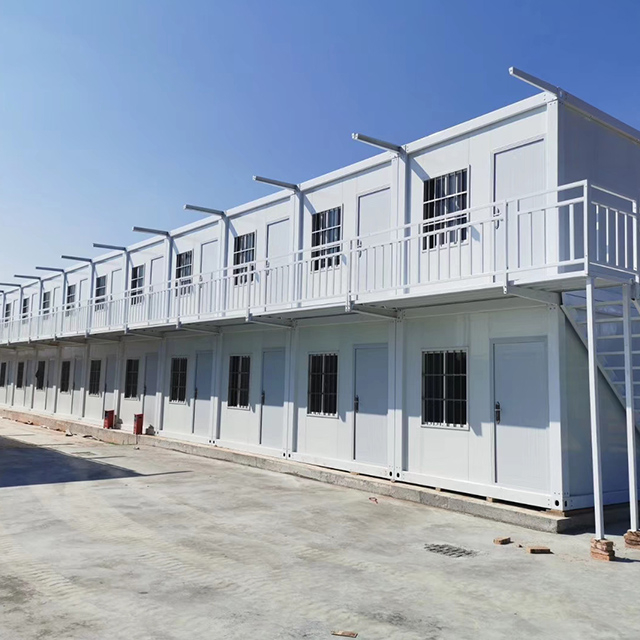
Building a container home can vary widely in cost, depending on size, design complexity, and location. Typically, the price ranges from $25,000 to $250,000. On average, it costs around $80,000 to build a functional container home. Smaller, basic homes with a single container may start as low as $10,000, while luxury multi-container homes can go up to $400,000 or more.
These costs cover everything from purchasing the containers to finishing the interiors and installing utilities. Keep in mind, the price depends on the number of containers, land preparation, labor, and materials used.
Container homes usually cost between $150 and $350 per square foot. This is similar to the price of accessory dwelling units (ADUs) or prefab homes. Shipping containers come in standard sizes:
● 8 ft × 8.5 ft × 10 ft (80 sq ft)
● 8 ft × 8.5 ft × 20 ft (160 sq ft)
● 8 ft × 8.5 ft × 40 ft (320 sq ft)
Most container homes combine multiple containers for more space. For example, a 320 sq ft home might use one 40-foot container, while larger homes require multiple containers joined together.
The cost of a single shipping container varies from $1,200 to $10,000, depending on condition and size. Here's a rough estimate of containers needed for different home sizes and their container-only cost:
Home Type | Containers Needed | Container Cost Range |
Studio | 1 | $1,200 – $10,000 |
1 Bedroom, 1 Bathroom | 1–2 | $1,200 – $20,000 |
2 Bedroom, 1 Bathroom | 2–3 | $2,400 – $30,000 |
3 Bedroom, 2 Bathroom | 4 | $4,800 – $40,000 |
4 Bedroom, 2.5 Bathroom | 6 | $7,200 – $60,000+ |
Remember, containers are just the starting point. Additional costs come from cutting, welding, insulation, plumbing, electrical work, and finishing.
When budgeting, always include extra costs for land prep, permits, and utilities beyond just container purchase and basic construction.
Building a container home involves several cost factors beyond just buying the containers themselves. Understanding these elements helps you budget better and avoid surprises.
The size of your container home greatly impacts the total cost. Each shipping container comes in standard sizes—typically 20 or 40 feet long. A single 20-foot container offers about 160 square feet, while a 40-foot container provides roughly 320 square feet. Most homes use multiple containers joined together or stacked.
More containers mean higher costs—not only for buying the containers but also for modifications like cutting, welding, and reinforcing the structure. For example, a small studio might only need one container, but a family home could require four or more. Larger homes also need extra structural support, which adds to expenses.
Before placing containers, the land must be ready. Site preparation includes clearing trees, leveling, grading, and laying a foundation. These steps are essential for stability and safety but can add thousands to your budget.
● Land clearing costs between $1,300 and $5,800, depending on the terrain.
● Land leveling and grading may cost $1,000 to $6,500.
● Foundation installation varies widely. Concrete slabs typically cost $5 to $37 per square foot, while pier foundations or footings can be cheaper alternatives.
Utilities like water, electricity, and sewage connections also add to site prep costs. Extending utility lines or installing septic systems can range from a few thousand dollars to over $10,000, depending on location.
Once the containers are in place, the interior and exterior need finishing to make the space livable and comfortable. This includes insulation, plumbing, electrical wiring, HVAC, doors, windows, flooring, and roofing.
● Insulation costs vary from $4 to $16 per square foot, depending on the type.
● Electrical wiring installation can range from $600 to $2,300.
● Plumbing might cost between $1,500 and $15,000.
● HVAC systems typically run from $5,000 to $12,000.
● Roof installation varies widely—from $5,000 for simple roofs to $45,000 for complex designs.
The choice of finishes also affects costs. Budget-friendly materials like vinyl flooring and basic fixtures can save money. High-end finishes, custom cabinetry, or luxury appliances increase expenses.
Additionally, exterior painting and weatherproofing protect the metal containers from rust and corrosion, extending their lifespan.
Carefully plan your container home’s size and layout early; optimizing container use and site prep can significantly reduce overall costs.
Building your container home yourself can save money on labor costs, which are often a large part of the total budget. If you have skills in welding, carpentry, plumbing, or electrical work, DIY can be rewarding and give you full control over the project. You can customize every detail and learn new skills along the way.
However, DIY also comes with challenges. Container homes require specialized knowledge for structural modifications like cutting steel walls or reinforcing corners. Mistakes can lead to safety issues or costly repairs. Also, DIY projects often take longer, especially if you’re learning as you go. You’ll need to manage permits, inspections, and coordinate subcontractors for specialized tasks you can’t do yourself. Without experience, you risk delays and budget overruns.
Hiring a professional builder or contractor experienced in container homes brings expertise and efficiency. They understand the unique challenges of working with steel containers and can ensure structural integrity and code compliance. Professionals have established supplier relationships, which can reduce material costs and speed up the build.
A pro team handles all aspects, including foundation, welding, insulation, plumbing, electrical, and finishing. They also manage permits and inspections, reducing stress for you. While hiring professionals increases upfront costs, it often results in higher quality, fewer mistakes, and faster completion.
DIY projects can reduce labor costs by 30% to 50%, but only if you have the skills and time. Materials and permits costs remain the same whether DIY or professional. Hiring pros typically adds 20% to 40% to your total budget but can prevent expensive fixes later.
For example, a basic 320 sq ft container home might cost $25,000 to $50,000 DIY, but $50,000 to $80,000 with a contractor. Complex designs or multi-container homes increase costs accordingly. Balancing your budget, skills, and timeline will help you decide the best approach.
Before starting a DIY container home, thoroughly research local building codes and consider consulting a professional for structural and safety aspects to avoid costly mistakes.
Opting for a prefabricated container home can significantly reduce your costs. Prefab homes come factory-built, often with standard layouts and fixtures, which cuts down on labor and design expenses. Since most of the work happens off-site, construction time is faster, lowering overall labor costs. Prefab container homes usually cost between $150 and $300 per square foot, compared to $250 to $400 or more for custom builds.
Prefab models offer less flexibility but are a great choice if you want to stick to a budget and timeline. They often come turnkey, meaning you avoid extra costs for specialized contractors or extended build times. If you want to customize, some prefab companies offer upgrade options that keep costs manageable.
Buying used shipping containers can save you thousands compared to new ones. Used containers typically cost between $1,200 and $5,000, while new "one-trip" containers can run $3,000 to $10,000 or more. However, used containers may require more prep work, such as rust removal, repairs, or repainting.
Make sure you inspect any used container thoroughly for structural integrity and chemical contamination before purchase. Choosing high-quality recycled containers reduces the need for costly fixes later. This approach supports sustainability and lowers material costs, but factor in the time and labor for cleaning and modifications.
Fixtures and finishes can quickly inflate your budget if you choose high-end materials. To save money, opt for durable yet budget-friendly options like vinyl flooring, basic cabinetry, and standard light fixtures. Shopping sales or buying secondhand fixtures can further reduce expenses.
For plumbing and electrical components, select reliable but cost-effective brands. Avoid luxury appliances or custom finishes unless your budget allows. Simple, functional choices keep your container home comfortable without breaking the bank.
When cutting costs, balance affordability with quality to avoid expensive repairs or replacements after move-in.
Before building a container home, understanding local permits and zoning laws is crucial. Many cities and counties have strict rules about what types of homes can be built and where. Container homes may fall under alternative housing or accessory dwelling unit (ADU) regulations, which vary widely.
Securing building permits often involves submitting detailed plans showing compliance with safety, structural, and environmental codes. Permit fees can range from a few hundred to several thousand dollars depending on your location. Failure to obtain the proper permits can lead to fines or orders to remove the structure.
Some areas require inspections at various stages of construction, including foundation, framing, electrical, and plumbing. Working with a contractor familiar with local regulations can ease this process.
Not all states welcome container homes equally. Some have embraced these modular, eco-friendly structures, while others remain restrictive due to building codes or zoning restrictions.
States known for more progressive container home policies include:
● Texas: Popular for container home communities and lenient zoning in many counties.
● California: Despite strict building codes, many areas permit container homes, especially as ADUs.
● Oregon: Supports alternative housing and has specific guidelines for container homes.
● Tennessee and Louisiana: Known for flexible zoning laws allowing container structures in rural and suburban areas.
● Missouri and Alaska: Also show growing acceptance.
It’s essential to check with your local planning department before purchasing land or containers. Zoning laws can affect lot sizes, setbacks, and allowable uses, impacting your container home project.
Insuring a container home can be tricky. Traditional homeowner policies may not cover non-standard construction types like container homes. You might need to seek specialized insurance through independent agents or companies that understand alternative building methods.
Insurance premiums depend on location, home size, materials, and safety features. Some insurers may require additional inspections or certifications.
Regarding property taxes, container homes are usually assessed similarly to other residences, but classification varies by jurisdiction. If your container home is mobile or classified as an RV, taxes might differ. Always consult your local tax assessor to understand potential tax liabilities.
Always consult local building authorities early to confirm container homes are permitted on your chosen site and to understand permit requirements, zoning restrictions, and inspection processes before starting construction.
Container homes offer an affordable, eco-friendly alternative to traditional housing, with costs ranging from $25,000 to $250,000. Effective cost management involves choosing prefab options, using recycled containers, and selecting affordable fixtures. Future trends indicate growing acceptance and innovation in container home construction. As a leader in the industry, China Detachable Container Houses Supplier - Shihang provides high-quality, durable container solutions that maximize value and sustainability for modern living.
A: A container house is a dwelling constructed from steel shipping containers originally used for cargo transport. These modular structures are durable and can be combined to create larger living spaces.
A: The cost to build a container house ranges from $25,000 to $250,000, depending on size, design complexity, and location. On average, it costs about $80,000 for a functional container home.
A: Container houses offer affordability, faster construction, and eco-friendly benefits. They are durable and modular, making them ideal for smaller living spaces and those seeking mobility.
A: Container houses are typically cheaper, faster to build, and mobile compared to traditional homes. They use steel containers, which are durable but offer less design flexibility than conventional materials.
A: Prefabricated container houses are cost-effective and quick to install, often coming turnkey with standard layouts and fixtures. They offer less customization but are ideal for budget-conscious buyers.


